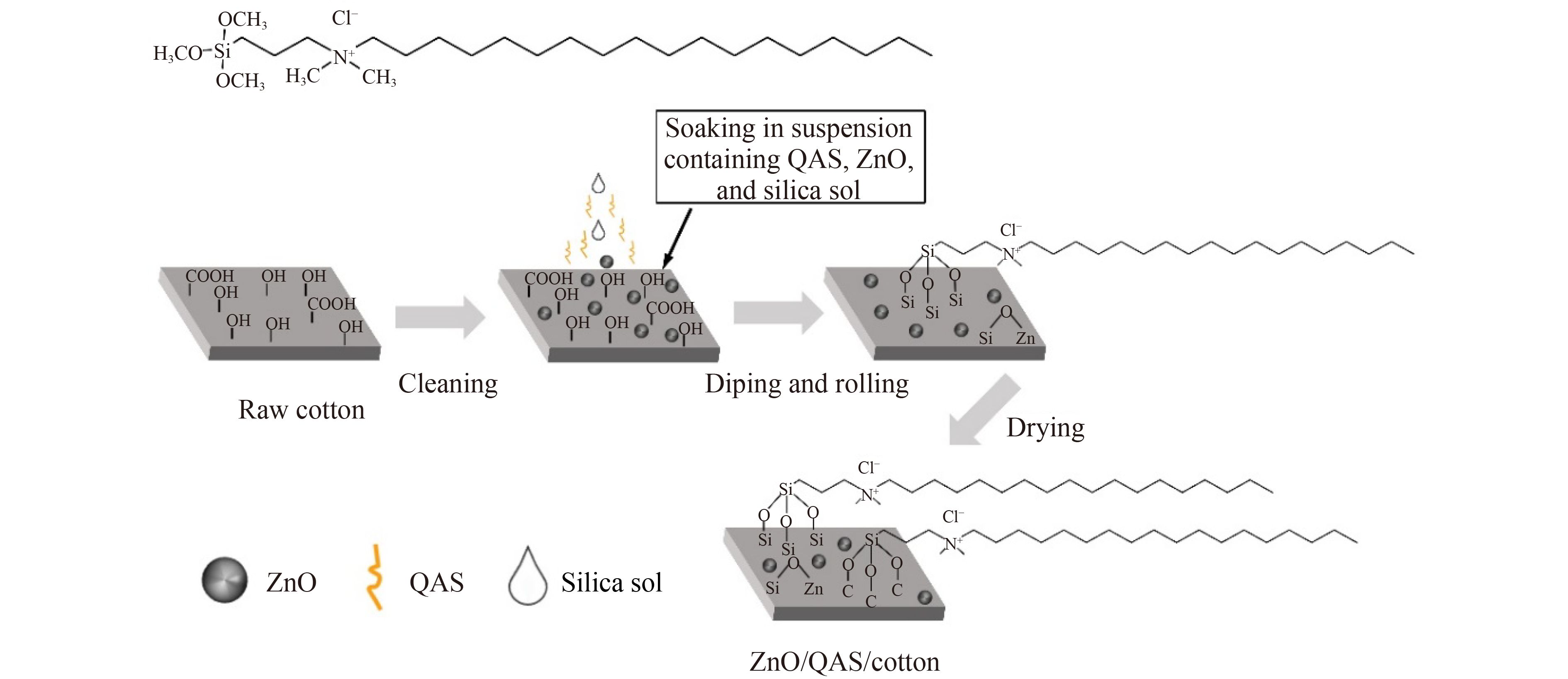
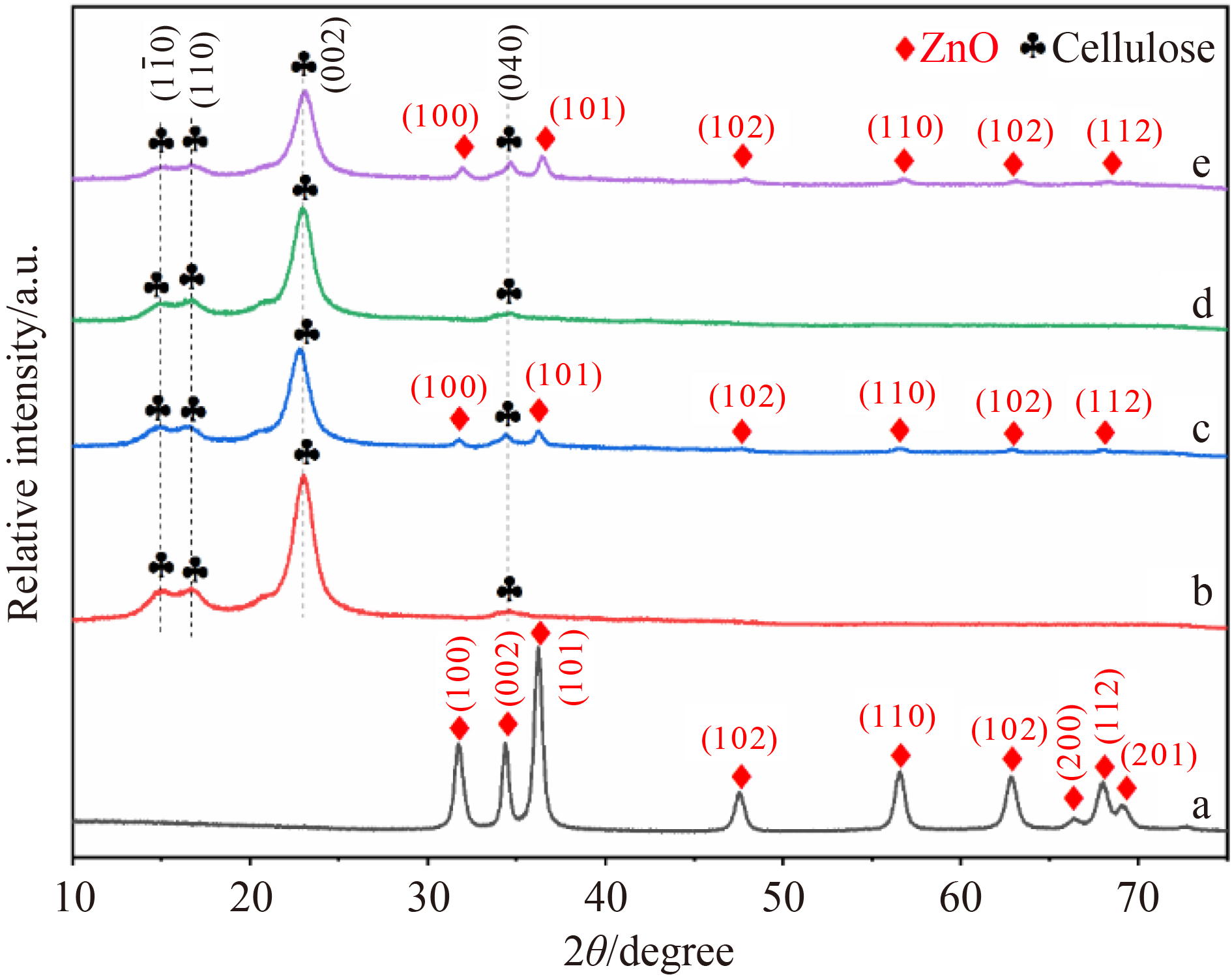
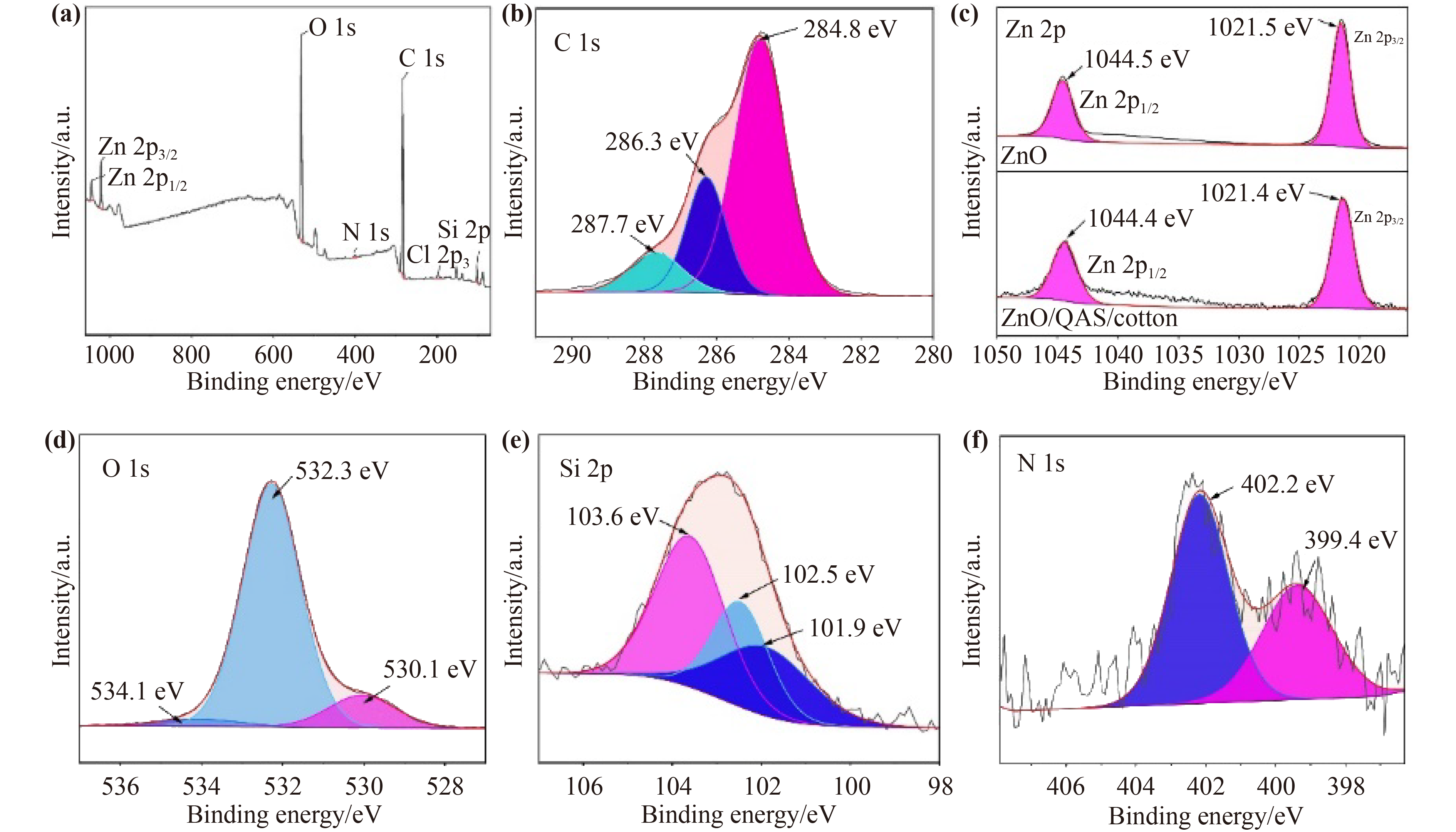
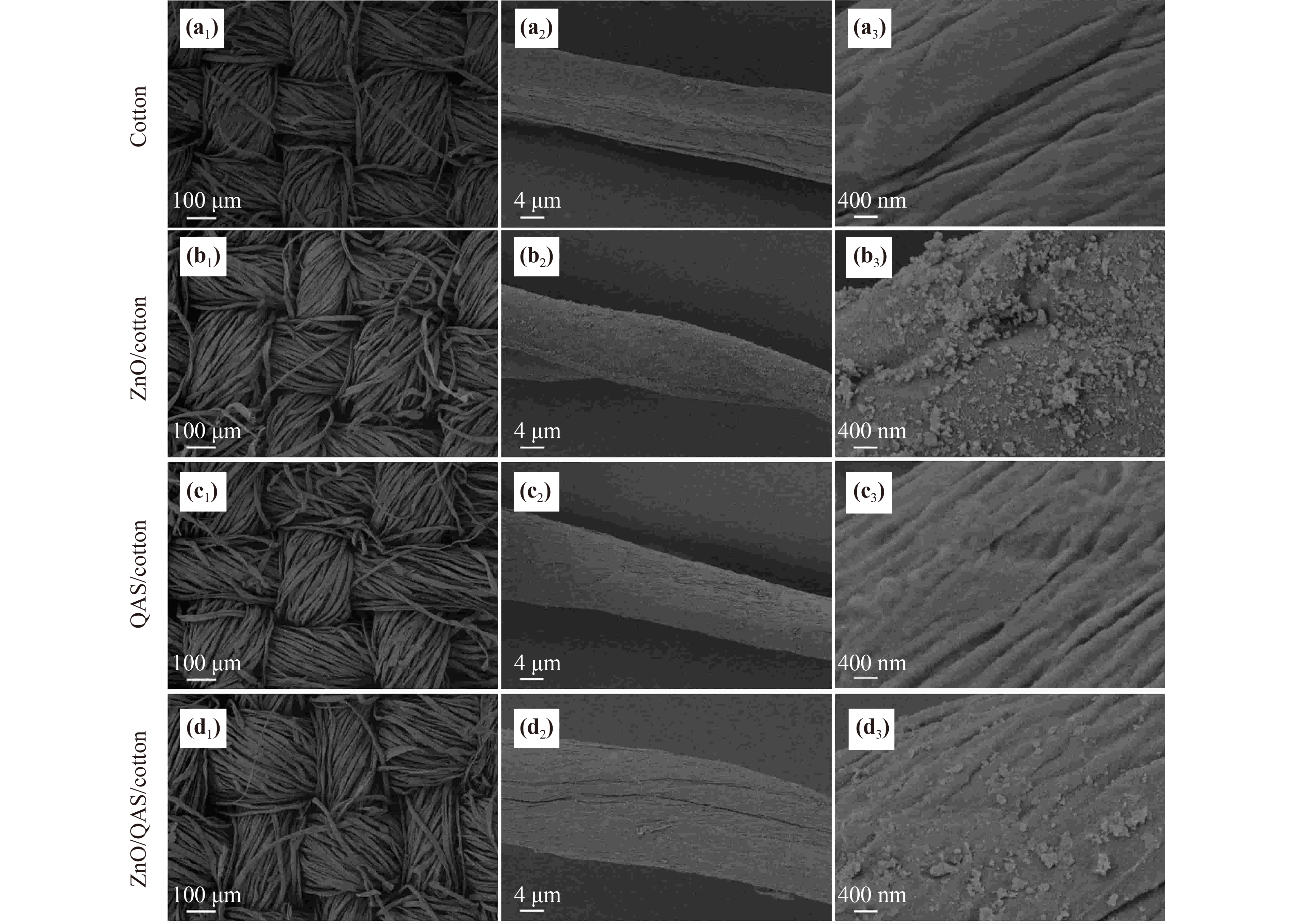
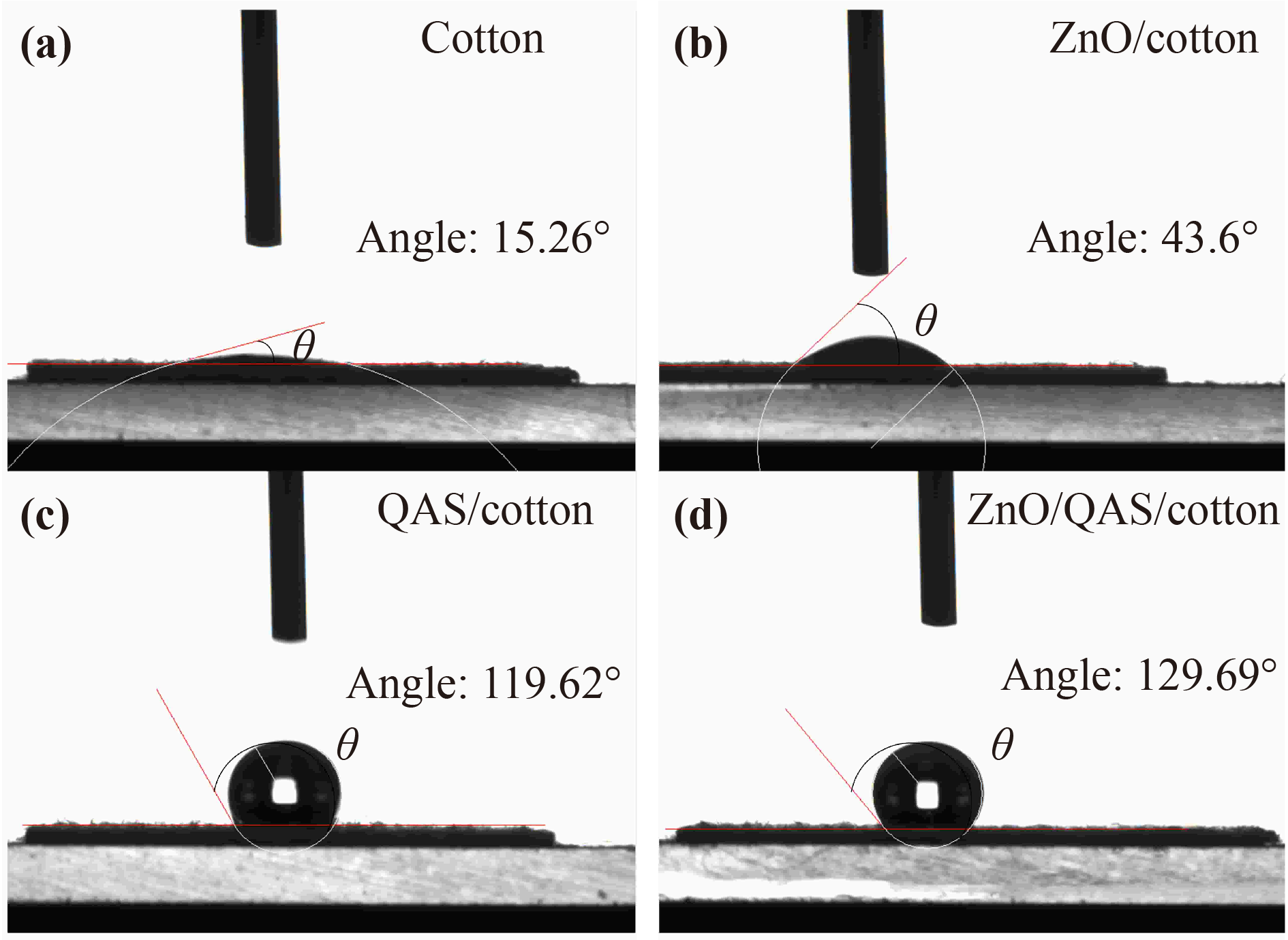
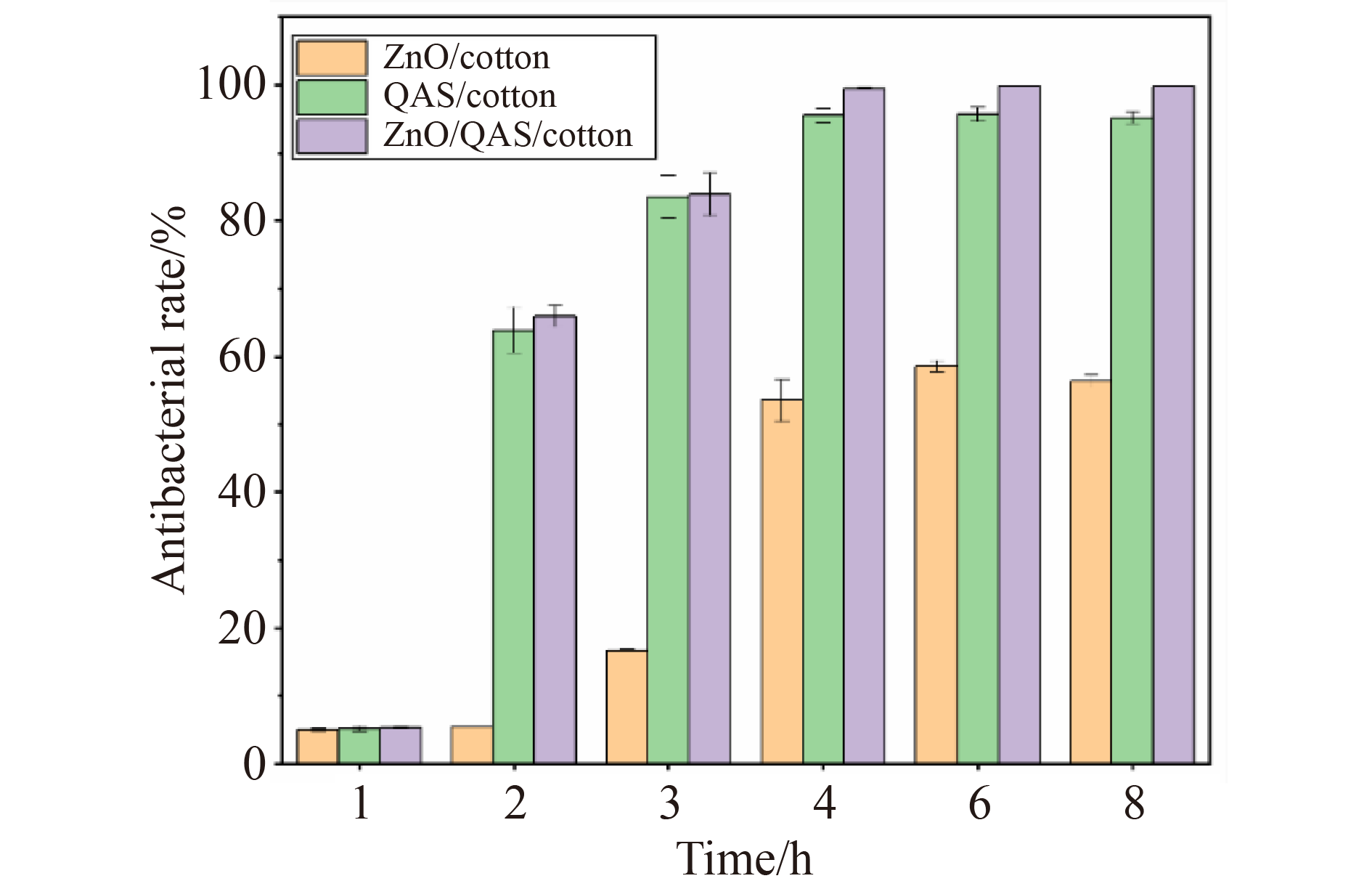
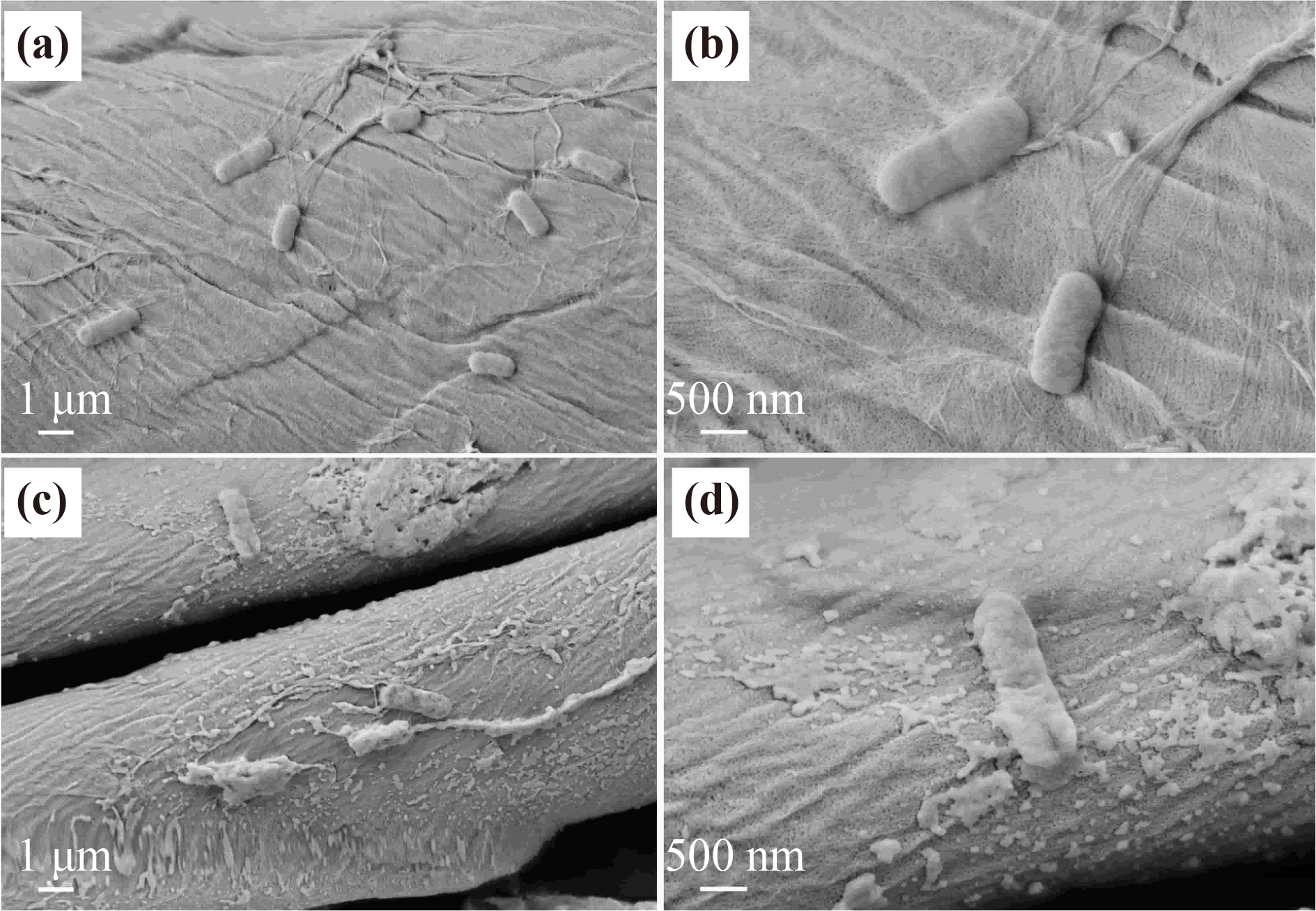
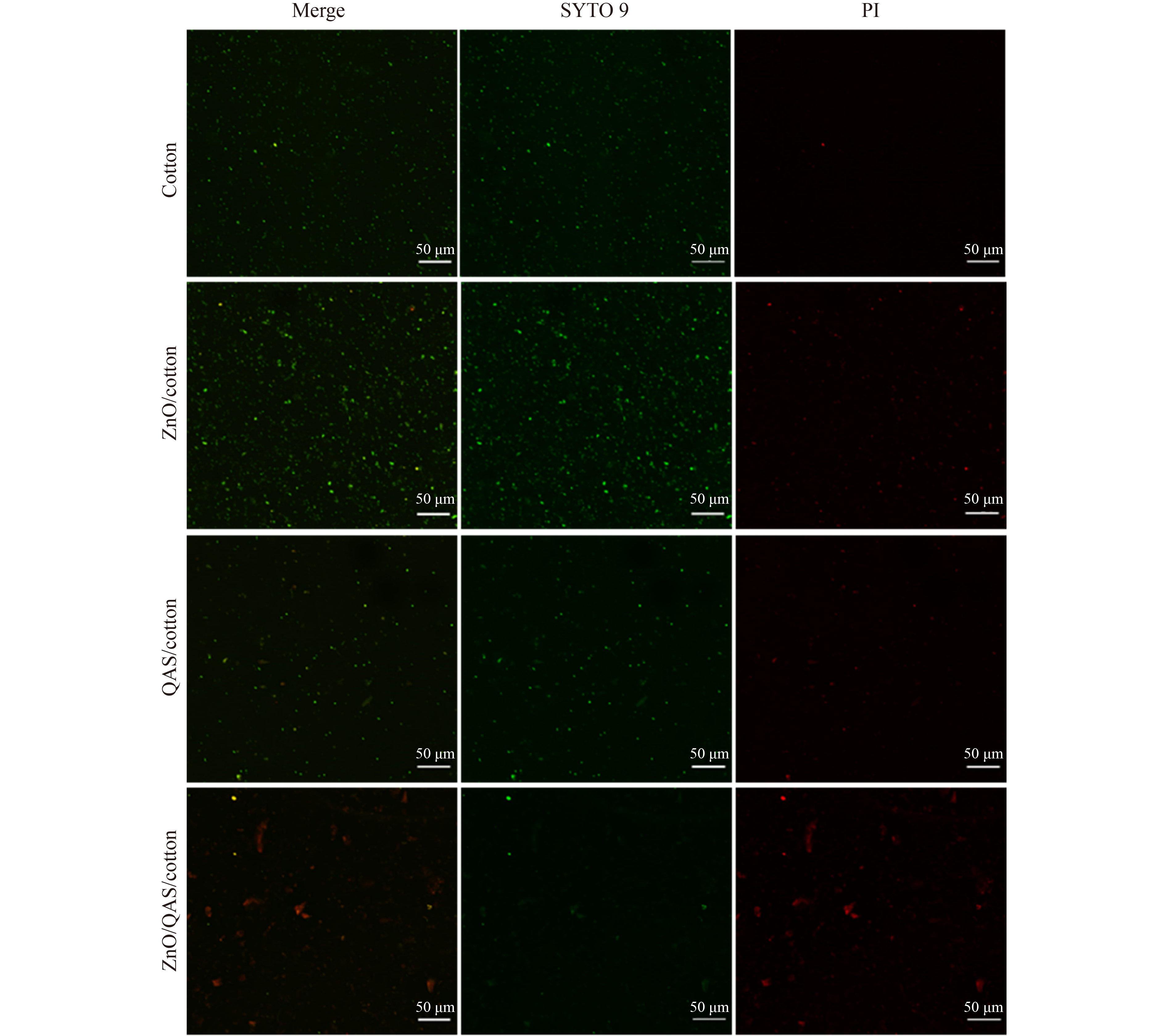
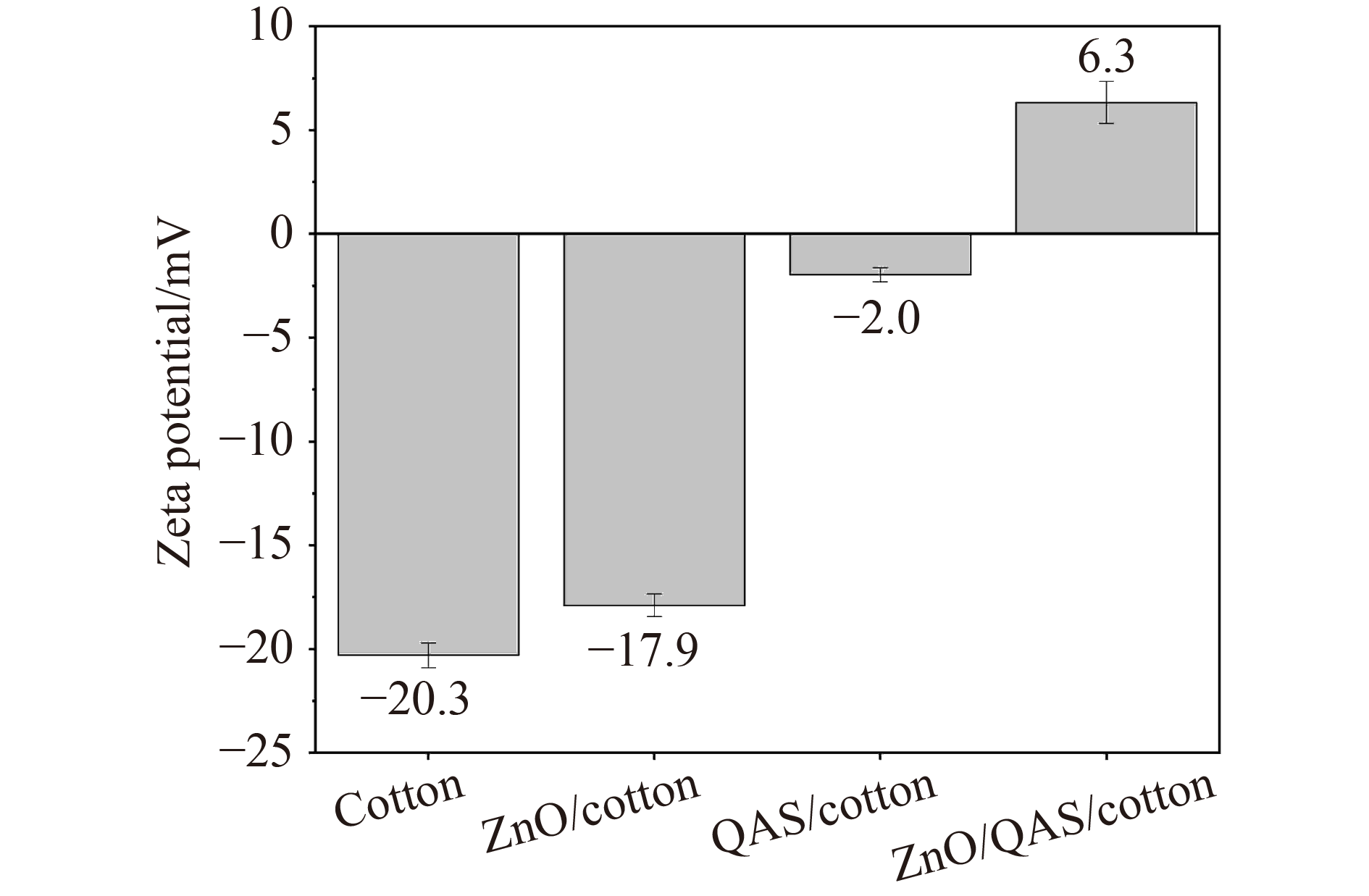
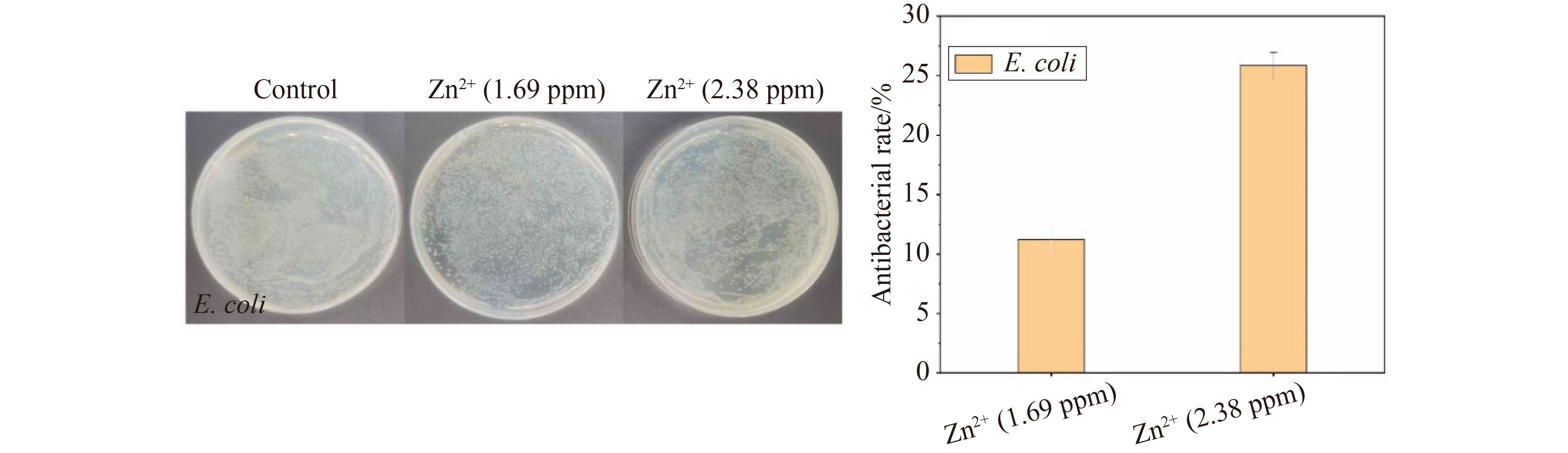
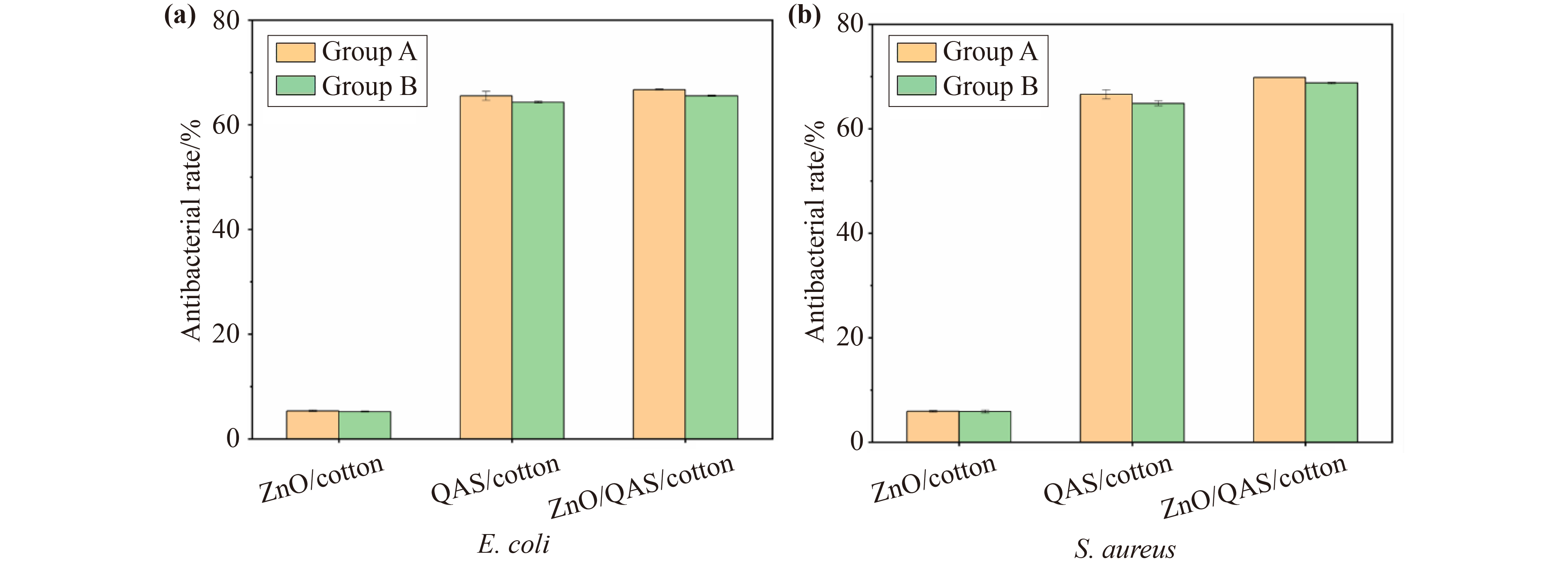
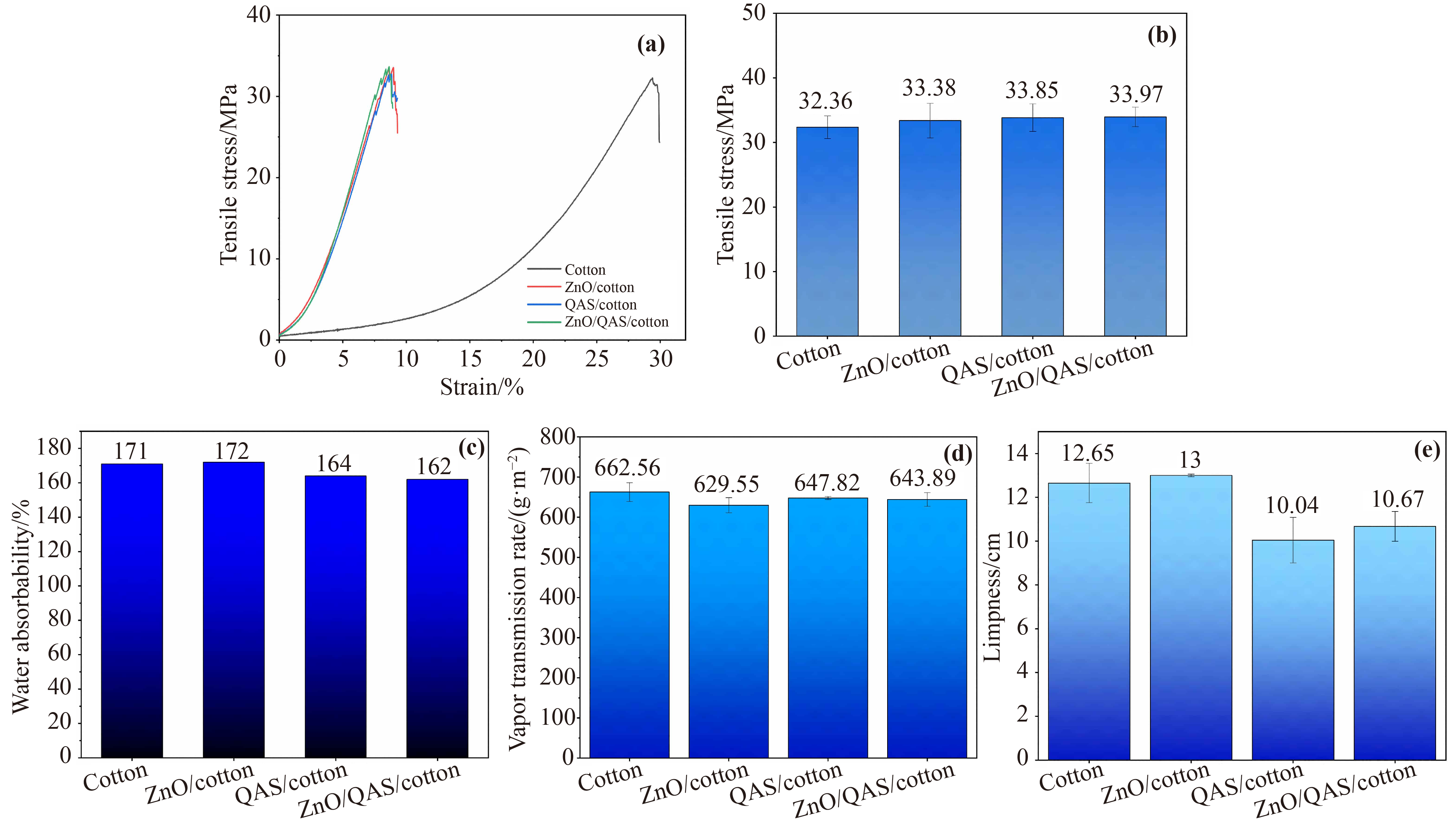
In the research for the safe and efficiently antibacterial cotton fabrics to minimize risk for human health, an organic–inorganic hybrid material of ZnO nanoparticles (NPs) and quaternary ammonium salt (QAS) was employed to modify cotton fabrics by a dipping–padding–drying method. The synergistic effects of ZnO NPs and QAS on the structure and antibacterial properties of cotton fabrics were studied in detail. Results displayed that the QAS and ZnO NPs were immobilized firmly in cotton fabric by the formation of chemical covalent bonds and silica gel structure. ZnO/QAS/cotton had a good inhibitory effect on the growth of E. coli and S. aureus, with superior antibacterial efficiency of >99.99%. ZnO/QAS/cotton preserved good mechanical property, water absorbability, and limpness. We also provided a detailed analysis of antibacterial mechanism for the hybrid materials. The contact mechanism and the Zn2+ release were considered as the main mechanisms for the ZnO/QAS/cotton, while the reactive oxygen species (ROS) generation only had a little contribution to the antibacterial activity. In short, the excellent integrated properties endowed the hybrid cotton fabrics as potential application in many fields, like healthcare, food packaging.
Z, Kpadeh-Rogers G L, Robinson H, Alserehi et al.. Effect of glove decontamination on bacterial contamination of healthcare personnel hands.Clinical Infectious Diseases, 2019, 69(Suppl 3): S224–S227 https://doi.org/10.1093/cid/ciz615
pmid: 31517972
2
S, Bhattacharjee R, Joshi M, Yasir et al.. Graphene- and nanoparticle-embedded antimicrobial and biocompatible cotton/silk fabrics for protective clothing.ACS Applied Bio Materials, 2021, 4(8): 6175–6185 https://doi.org/10.1021/acsabm.1c00508
pmid: 35006896
3
Y M, Ni G, Shen K H, Ng et al.. Rational construction of superhydrophobic PDMS/PTW@cotton fabric for efficient UV/NIR light shielding.Cellulose, 2022, 29(8): 4673–4685 https://doi.org/10.1007/s10570-022-04548-z
4
S Y, Nam M B, Hillyer B D, Condon et al.. Silver nanoparticle-infused cotton fiber: durability and aqueous release of silver in laundry water.Journal of Agricultural and Food Chemistry, 2020, 68(46): 13231–13240 https://doi.org/10.1021/acs.jafc.9b07531
pmid: 32286814
5
X J, Wang K K, Ma T, Goh et al.. Photocatalytic biocidal coatings featuring Zr6Ti4-based metal-organic frameworks.Journal of the American Chemical Society, 2022, 144(27): 12192–12201 https://doi.org/10.1021/jacs.2c03060
pmid: 35786901
6
X, Wang X G, Chen S, Cowling et al.. Polymer brushes tethered ZnO crystal on cotton fiber and the application on durable and washable UV protective clothing.Advanced Materials Interfaces, 2019, 6(14): 1900564 https://doi.org/10.1002/admi.201900564
7
A, Syafiuddin M A, Fulazzaky S, Salmiati et al.. Sticky silver nanoparticles and surface coatings of different textile fabrics stabilised by Muntingia calabura leaf extract.SN Applied Sciences, 2020, 2(4): 733 https://doi.org/10.1007/s42452-020-2534-5
8
S M, Imani L, Ladouceur T, Marshall et al.. Antimicrobial nanomaterials and coatings: current mechanisms and future perspectives to control the spread of viruses including SARS-CoV-2.ACS Nano, 2020, 14(10): 12341–12369 https://doi.org/10.1021/acsnano.0c05937
pmid: 33034443
9
Q B, Xu R L, Li L W, Shen et al.. Enhancing the surface affinity with silver nano-particles for antibacterial cotton fabric by coating carboxymethyl chitosan and L-cysteine.Applied Surface Science, 2019, 497: 143673 https://doi.org/10.1016/j.apsusc.2019.143673
10
Z H, Jing X, Liu Y, Du et al.. Synthesis, characterization, antibacterial and photocatalytic performance of Ag/AgI/TiO2 hollow sphere composites.Frontiers of Materials Science, 2020, 14(1): 1–13 https://doi.org/10.1007/s11706-020-0491-y
11
X, He Q C, Liu Y, Zhou et al.. Graphene oxide-silver/cotton fiber fabric with anti-bacterial and anti-UV properties for wearable gas sensors.Frontiers of Materials Science, 2021, 15(3): 406–415 https://doi.org/10.1007/s11706-021-0564-6
12
Q B, Xu P P, Duan Y Y, Zhang et al.. Double protect copper nanoparticles loaded on L-cysteine modified cotton fabric with durable antibacterial properties.Fibers and Polymers, 2018, 19(11): 2324–2334 https://doi.org/10.1007/s12221-018-8621-1
13
J L, Zhou H X, Xiang F, Zabihi et al.. Intriguing anti-superbug Cu2O@ZrP hybrid nanosheet with enhanced antibacterial performance and weak cytotoxicity.Nano Research, 2019, 12(6): 1453–1460 https://doi.org/10.1007/s12274-019-2406-8
14
F Y, Fu B B, Yang X M, Hu et al.. Biomimetic synthesis of 3D Au-decorated chitosan nanocomposite for sensitive and reliable SERS detection.Chemical Engineering Journal, 2020, 392: 123693 https://doi.org/10.1016/j.cej.2019.123693
15
X N, Hu Y Y, Zhao Z J, Hu et al.. Gold nanorods core/AgPt alloy nanodots shell: a novel potent antibacterial nanostructure.Nano Research, 2013, 6(11): 822–835 https://doi.org/10.1007/s12274-013-0360-4
16
F, Fu J, Gu R, Zhang et al.. Three-dimensional cellulose based silver-functionalized ZnO nanocomposite with controlled geometry: synthesis, characterization and properties.Journal of Colloid and Interface Science, 2018, 530: 433–443 https://doi.org/10.1016/j.jcis.2018.07.009
pmid: 29990779
17
M K, Peng F Y, Hu M T, Du et al.. Hydrothermal growth of hydroxyapatite and ZnO bilayered nanoarrays on magnesium alloy surface with antibacterial activities.Frontiers of Materials Science, 2020, 14(1): 14–23 https://doi.org/10.1007/s11706-020-0489-5
18
J Y, Zhang B, Zhang X F, Chen et al.. Antimicrobial bamboo materials functionalized with ZnO and graphene oxide nanocomposites.Materials, 2017, 10(3): 239 https://doi.org/10.3390/ma10030239
pmid: 28772597
19
A, Sirelkhatim S, Mahmud A, Seeni et al.. Review on zinc oxide nanoparticles: antibacterial activity and toxicity mechanism.Nano-Micro Letters, 2015, 7(3): 219–242 https://doi.org/10.1007/s40820-015-0040-x
pmid: 30464967
20
B, Abebe E A, Zereffa A, Tadesse et al.. A review on enhancing the antibacterial activity of ZnO: mechanisms and microscopic investigation.Nanoscale Research Letters, 2020, 15(1): 190 https://doi.org/10.1186/s11671-020-03418-6
pmid: 33001404
21
I, Perelshtein A, Lipovsky N, Perkas et al.. The influence of the crystalline nature of nano-metal oxides on their antibacterial and toxicity properties.Nano Research, 2015, 8(2): 695–707 https://doi.org/10.1007/s12274-014-0553-5
22
M, Yang J, Zhang Y H, Wei et al.. Recent advances in metal-organic framework-based materials for anti-Staphylococcus aureus infection.Nano Research, 2022, 15(7): 6220–6242 https://doi.org/10.1007/s12274-022-4302-x
pmid: 35578616
23
C K, Kang S S, Kim S, Kim et al.. Antibacterial cotton fibers treated with silver nanoparticles and quaternary ammonium salts.Carbohydrate Polymers, 2016, 151: 1012–1018 https://doi.org/10.1016/j.carbpol.2016.06.043
pmid: 27474649
24
S B, Zhang X H, Yang B, Tang et al.. New insights into synergistic antimicrobial and antifouling cotton fabrics via dually finished with quaternary ammonium salt and zwitterionic sulfobetaine.Chemical Engineering Journal, 2018, 336: 123–132 https://doi.org/10.1016/j.cej.2017.10.168
25
D G, Gao Y J, Li B, Lyu et al.. Silicone quaternary ammonium salt based nanocomposite: a long-acting antibacterial cotton fabric finishing agent with good softness and air permeability.Cellulose, 2020, 27(2): 1055–1069 https://doi.org/10.1007/s10570-019-02832-z
26
A P, Hui R, Yan W B, Wang et al.. Incorporation of quaternary ammonium chitooligosaccharides on ZnO/palygorskite nanocomposites for enhancing antibacterial activities.Carbohydrate Polymers, 2020, 247: 116685 https://doi.org/10.1016/j.carbpol.2020.116685
pmid: 32829813
27
K R, Raghupathi R T, Koodali A C Manna . Size-dependent bacterial growth inhibition and mechanism of antibacterial activity of zinc oxide nanoparticles.Langmuir, 2011, 27(7): 4020–4028 https://doi.org/10.1021/la104825u
pmid: 21401066
28
Y, Liu J, Li L, Li et al.. Characterization and mechanism for the protection of photolytic decomposition of N-halamine siloxane coatings by titanium dioxide.ACS Applied Materials & Interfaces, 2016, 8(5): 3516–3523 https://doi.org/10.1021/acsami.5b12601
pmid: 26824841
29
A A, Bernardes C A, Emanuelli P, Cofferri et al.. Octadecyl-modified silicas obtained by non-hydrolytic condensation of a C18-hybrid silica sol on a silica surface.Journal of Non-Crystalline Solids, 2017, 466–467: 8–14 https://doi.org/10.1016/j.jnoncrysol.2017.03.033
30
I M, Sundaram S, Kalimuthu G Ponniah . Highly active ZnO modified g-C3N4 nanocomposite for dye degradation under UV and visible light with enhanced stability and antimicrobial activity.Composites Communications, 2017, 5: 64–71 https://doi.org/10.1016/j.coco.2017.07.003
31
Y, Lu Y L, Jia Y, Zhou et al.. Straightforward one-step solvent-free synthesis of the flame retardant for cotton with excellent efficiency and durability.Carbohydrate Polymers, 2018, 201: 438–445 https://doi.org/10.1016/j.carbpol.2018.08.078
pmid: 30241839
32
K P M, Tang C W, Kan J T, Fan et al.. Effect of softener and wetting agent on improving the flammability, comfort, and mechanical properties of flame-retardant finished cotton fabric.Cellulose, 2017, 24(6): 2619–2634 https://doi.org/10.1007/s10570-017-1268-z
33
P S, Mbule G H, Mhlongo S S, Pitale et al.. Sensitizing effects of ZnO quantum dots on red-emitting Pr3+-doped SiO2 phosphor.Physica B: Condensed Matter, 2012, 407(10): 1607–1610 https://doi.org/10.1016/j.physb.2011.09.097
34
M, He Y M, Zhou S X, Nie et al.. Synthesis of amphiphilic copolymers containing ciprofloxacin and amine groups and their antimicrobial performances as revealed by confocal laser-scanning microscopy and atomic-force microscopy.Journal of Agricultural and Food Chemistry, 2018, 66(31): 8406–8414 https://doi.org/10.1021/acs.jafc.8b01759
pmid: 30016099
35
H M, Mao B, Zhang Y L, Nie et al.. Enhanced antibacterial activity of V-doped ZnO@SiO2 composites.Applied Surface Science, 2021, 546: 149127 https://doi.org/10.1016/j.apsusc.2021.149127
36
S, Yang Y L, Nie B, Zhang et al.. Construction of Er-doped ZnO/SiO2 composites with enhanced antimicrobial properties and analysis of antibacterial mechanism.Ceramics International, 2020, 46(13): 20932–20942 https://doi.org/10.1016/j.ceramint.2020.05.149
37
A, Joe S H, Park K D, Shim et al.. Antibacterial mechanism of ZnO nanoparticles under dark conditions.Journal of Industrial and Engineering Chemistry, 2017, 45: 430–439 https://doi.org/10.1016/j.jiec.2016.10.013
38
Y Q, Zhao Z P, Xiu R N, Wu et al.. A near-infrared-responsive quaternary ammonium/gold nanorod hybrid coating with enhanced antibacterial properties.Advanced NanoBiomed Research, 2022, 2(11): 2200111 https://doi.org/10.1002/anbr.202200111
39
N D C, Pinto L M, Campos A C S, Evangelista et al.. Antimicrobial Annona muricata L.(soursop) extract targets the cell membranes of Gram-positive and Gram-negative bacteria. Industrial Crops and Products, 2017, 107: 332–340 https://doi.org/10.1016/j.indcrop.2017.05.054
40
Ojha S, Chandra C, Imtong K, Meetum et al.. Purification and characterization of the antibacterial peptidase lysostaphin from Staphylococcus simulans: adverse influence of Zn2+ on bacteriolytic activity.Protein Expression and Purification, 2018, 151: 106–112 https://doi.org/10.1016/j.pep.2018.06.013
pmid: 29944958
41
J W, Kang S S, Kim D H Kang . Inactivation dynamics of 222 nm krypton-chlorine excilamp irradiation on Gram-positive and Gram-negative foodborne pathogenic bacteria.Food Research International, 2018, 109: 325–333 https://doi.org/10.1016/j.foodres.2018.04.018
pmid: 29803456
42
S, Saidin M A, Jumat Amin N A A, Mohd et al.. Organic and inorganic antibacterial approaches in combating bacterial infection for biomedical application.Materials Science and Engineering C, 2021, 118: 111382 https://doi.org/10.1016/j.msec.2020.111382
pmid: 33254989
43
B, Chishti Z A, Ansari S G Ansari . Engineered nano-ZnO: doping regulates dissolution and reactive oxygen species levels eliciting biocompatibility.Materials Today: Proceedings, 2021, 36: 626–630 https://doi.org/10.1016/j.matpr.2020.04.039
44
D Y, Chao Q, Dong J X, Chen et al.. Highly efficient disinfection based on multiple enzyme-like activities of Cu3P nanoparticles: a catalytic approach to impede antibiotic resistance.Applied Catalysis B: Environmental, 2022, 304: 121017 https://doi.org/10.1016/j.apcatb.2021.121017
45
C H, Hwang M H, Choi H E, Kim et al.. Reactive oxygen species-generating hydrogel platform for enhanced antibacterial therapy.NPG Asia Materials, 2022, 14(1): 72 https://doi.org/10.1038/s41427-022-00420-5
46
Y N, Tang H, Sun Z, Qin et al.. Bioinspired photocatalytic ZnO/Au nanopillar-modified surface for enhanced antibacterial and antiadhesive property.Chemical Engineering Journal, 2020, 398: 125575 https://doi.org/10.1016/j.cej.2020.125575
47
D G, Gao X Y, Duan C, Chen et al.. Synthesis of polymer quaternary ammonium salt containing epoxy group/nano ZnO long-acting antimicrobial coating for cotton fabrics.Industrial & Engineering Chemistry Research, 2015, 54(43): 10560–10567 https://doi.org/10.1021/acs.iecr.5b02509
48
J, Lin X Y, Chen C Y, Chen et al.. Durably antibacterial and bacterially antiadhesive cotton fabrics coated by cationic fluorinated polymers.ACS Applied Materials & Interfaces, 2018, 10(7): 6124–6136 https://doi.org/10.1021/acsami.7b16235
pmid: 29356496